By: Daniel Gerichter (@ZenDonut) –
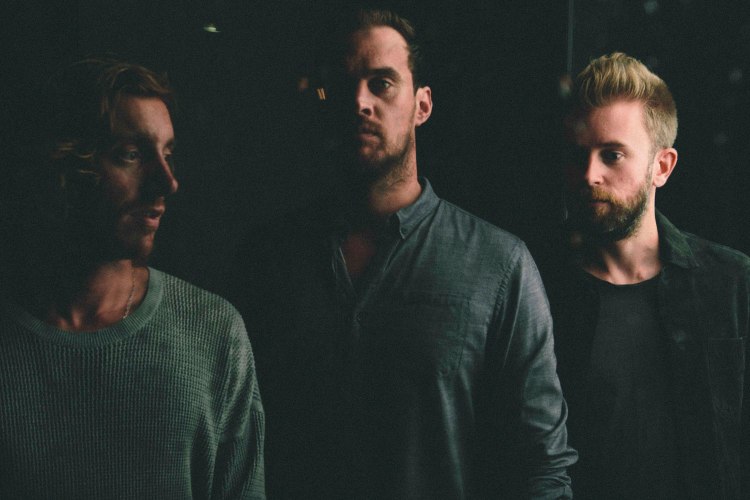
Until The Ribbon Breaks
F
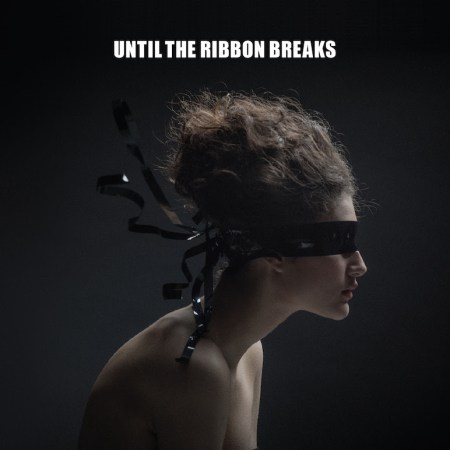
or several years, Cardiff, UK’s Until the Ribbon Breaks have been a crucial part of expanding on songs by the artists you already know and love. The collective of Peter Lawrie-Winfield, Elliot Wall and James Gordon have created textured, layered re-imaginings of songs like Phantogram’s “Fall in Love”, Tegan and Sara’s “Closer” and Lorde’s “Royals”, and on their new album, A Lesson Unlearnt, the trio have finally proven their mettle as artists, creating complex, haunting tracks that run the gamut from hip hop to soul to new wave and beyond.
We had a chance to discuss those re-imaginings, the process behind A Lesson Unlearnt, their hip-hop fandom finally crossing over into their own work, and where they go from here.
How did the creative process for A Lesson Unlearnt differ from the one you employed when re-imagining other artists’ songs?
Peter: When we reimagine someone else’s work, we only take the vocal track and generally refuse any additional music. None of us see a point in ‘remixing’ if it’s going to sound similar to what’s already out there – the only value for us is to completely reimagine the song – to build on it. When we’re making our own music, it’s a completely blank canvas. We’re able to build whatever we want from the ground up, so there are no structures to work inside of – not even the vocal tracks. It’s blue sky.
All of the members of the group are multi-instrumentalists. When you’re in studio, how do you decide who plays what or who contributes what?
James: We have this really cool studio setup where everything is just out and accessible. It’s where we rehearse, create new material and do re-imaginings, so it was important to us to create a space where everyone can contribute whenever they’ve got something. If you’re always stuck in the same routine, it’s really easy to use the same tricks over and over. To flip on the same plugins or filters. Doing it this way keeps it fresh.
Sounds like very organic creative process.
James: Exactly, yeah. Organic is the word.
You’ve got a sample of Nas’ “Made you Look” in the song “Perspective”. What was the thinking that lead to having that sample in there?
Peter: The track is a hip hop song to begin with, which is a fun type of track to produce. You don’t have the layers and melodies and tones. So while we were putting the song together, we realized that sample was going to fit in beautifully. It’s a classic track and it made for a hell of a hook.
Did you have a relationship with Homeboy Sandman (featured on the track) before this album?
James: Oh, definitely. I was a big fan of his for a while before we put this album together. I think we’re really fortunate to have had both he and Run the Jewels on this album because they didn’t come in as ‘recommended’ by our label or anything, we just genuinely love their work and wanted them to be part of the music we were making.
What brought you together with Run the Jewels?
Peter: I was in the studio with Mr. MFN eXquire and he asked me who my favourite emcees are. I said my favourite was El-P. He said “I know El-P!” which made me very happy. I asked if he would put me in touch with him, which he did. A few months later, I got an email from El-P, asking if I would do a hook on the first Run the Jewels album, which I was only too happy to do. When we were finishing our record, I decided it was time to reel in the favour.
How was the experience working with them?
Peter: It couldn’t have been better. We sent them the material we had and within a ridiculously quick amount of time, they sent me back their parts. And by that time, we’d already made significant changes to the song, so I then had to go and ask them if they wouldn’t mind re-doing their raps. It was one of the scariest emails I’ve ever written, but he just came back and said “no worries” and they were done a few days later.
Going back to the beginning, what made the three of you want to work together?
Elliott: Well, James was an engineer when Pete started making records. That evolved into being a producer and that all evolved into being in a band. I had met Pete way back in high school and we bonded over what I’d had on my first MP3 player – Mos Def’s Black on Both Sides. We just sat and listened to it and hugged.
When you do re-imaginings other artists work (Phantogram, Sam Smith), do you work directly with those artists?
James: Typically not in the beginning. There’s always a unique set of connections with the artists we work with. Peter used to work with Sam (Smith) and we used to be label mates with Phantogram. But by in large, we usually just take in their vocal tracks through their label and the contact we have with them is usually in the end, when we’re presenting thefinal product.
Was there a discussion to bring any of those artists on for A Lesson Unlearnt?
James: It would have been nice for sure, but I think the relationship we have with artists when we do re-imaginings is different from the one we have when we’re doing our own material. I do quite like the work those artists do, but I don’t think any of us envisioned them being part of the material we worked on for this album, although it definitely is something to think about for the future.
What kinds of experiences influenced the songwriting on this album? Did it come from a personal place or someplace else?
Peter: It’s a mixed bag, really. Orca for example comes from a very personal place, but there’s other songs like Romeo, which was inspired by film and watching film while I was writing. It followed the same method for making the music, which is that the inspiration comes from where it comes from, not some rigid set of circumstances.
How would you describe your in-studio work ethic?
James: It kind of depends on what we’re doing. We’ll all show up when we do and crack at it till we feel good about what we’ve created. As we mentioned, the space we record in is also the space we rehearse in, so it’s not worth it to create too hard a structure in there. There’s always new stuff to play and there’s always new stuff to try. L.A. is a funny place. It drives you to work very hard but feel like it’s all pretty easygoing.
A lot of fans will say that you don’t truly know a musician’s body of work till you’ve seen it played live. Is that the same thing from the musician’s perspective?
James: Yeah, absolutely. It’s one thing to have concepts and arrangements on a computer screen. It’s another thing altogether to have played it together and experienced the song as something more tangible.
Once the tour for this album is complete, or is it straight back to a new album?
Peter: There’s no doubt in my mind that we’re going straight back into record number two. We’ve experienced the full process of making an album together and it’s created a path for us creatively. It’s given us a set of priorities and ideas that we never had before. It’s also really forged our way forward.
The album sounds like the product of a lot of pent-up energy.
Peter: It’s funny you should say that. This whole album comes from the frustrations I had working for other people. I was making a lot of compromises and sometimes feeling creatively bereft. In the end, those frustrations ended up being exactly the energy I needed to get this record to exactly the place I needed it to be. I find myself in a state of frustration a lot of the time, so that’ll be how the second record pops up, too (laughs).
 Aesthetic Magazine | Album Reviews, Concert Photography, Interviews, Contests
Discussion
No comments yet.