By Staff –
The music industry is no stranger to the shift in technology these days, as artists are finding new ways to engage with their fans in a digital world. With the decline in physical album sales and the rise of streaming, musicians are now relying more on touring and merchandise sales to generate revenue, with Live Nation reporting that artists make more money from touring than from any other source of revenue, including recorded music and streaming.
This growing focus on live performance has led to a major investment in creating new live experiences, and virtual reality (VR) concerts have emerged as an exciting new way for musicians to reach global audiences without the logistical challenges of physical touring. This transformation is not only expanding creative possibilities but reshaping the economics of live performance itself.

The rise of virtual reality concerts
In recent years, artists like Travis Scott and The Weeknd have begun experimenting with virtual reality. Scott’s 2020 “Astronomical” concert in the popular video game Fortnite, for example, was a huge success, drawing 12 million viewers and generating around $20 million, partly from merchandise sales. This has opened the door for other artists and platforms to explore virtual concerts as a viable way to reach fans.
Entertainment technology companies like Wave have been instrumental in this shift. Since its launch, Wave has worked with high-profile artists like Justin Bieber, John Legend, and Calvin Harris to deliver immersive digital concerts, which has enabled artists to deliver unique experiences that blend real-world elements with virtual creativity, engaging audiences in ways that were previously unimaginable.
One particularly interesting example is Teflon Sega, a singer who performs as a virtual avatar. After being dropped by a record label, Teflon Sega has used VR technology to carve out a unique space for itself, using immersive experiences to connect with fans in a personal yet innovative way.
Why fans and artists are flocking to VR
The appeal of VR concerts goes beyond technical novelty. For fans, virtual shows offer an affordable alternative to expensive concert tickets while eliminating the hassles of crowded venues and long commutes. VR experiences also offer the chance to interact with your favorite artists in intimate, interactive settings, often enhanced with stunning visuals that are difficult to replicate in the physical world.
For artists, VR concerts are a creative playground. These performances allow musicians to push the boundaries of their shows, incorporating fantasy elements that would be impossible to achieve in a traditional concert setting. From elaborate stage sets to surreal, otherworldly environments, VR allows artists to create entirely new worlds for their fans to immerse themselves in.
Platforms like Meta’s Music Valley have capitalized on these benefits, offering virtual concerts with stars like Doja Cat and Blackpink, performances often timed to coincide with significant career moments like album releases or tour launches, helping artists connect with fans on multiple levels while showcasing their work in innovative ways.
The role of advanced technology in VR concerts
To make these virtual experiences as immersive and high-quality as possible, companies like Meta and AmazeVR are using advanced technology. For example, Meta uses custom-built VR cameras at real concerts to create detailed 3D recordings of the performances, setups that ensure virtual attendees feel like they’re part of the action, capturing every angle of the show.
Another major player in the VR concert space, AmazeVR, has partnered with artists like Megan Thee Stallion to produce hyper-realistic performances. In these concerts, spectators wear VR headsets and experience the performance in stunning 8K resolution, with AI-powered technologies enhancing the visual and auditory experience.
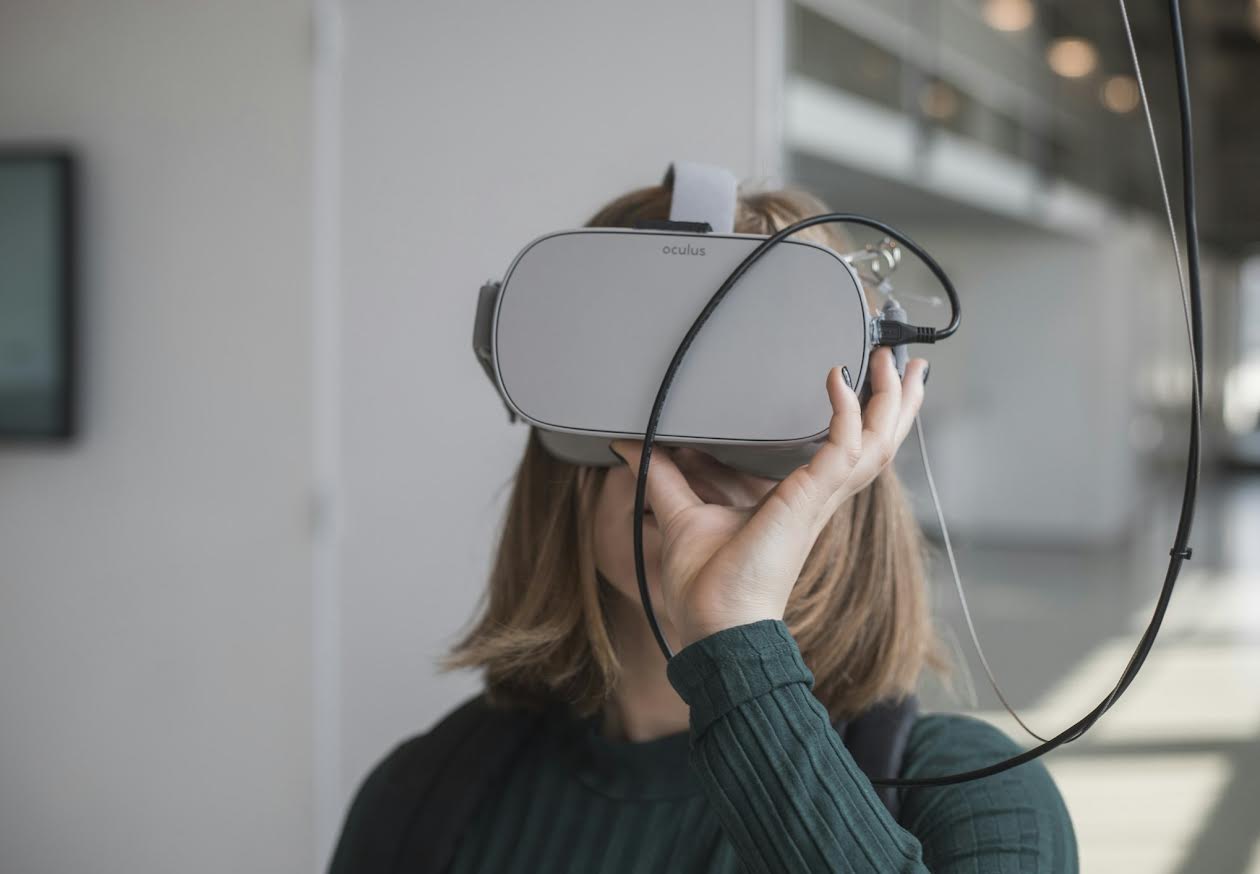
The limits of virtual reality
While the potential for VR concerts is vast, the technology is not without its limitations. Currently, the percentage of households that own a VR headset is still low, and many consumers are hesitant to invest in these systems due to their high price tag. Additionally, issues such as motion sickness, neck tension, and eye strain can compromise the immersive experience, making prolonged use of the headset uncomfortable for some users.
Some critics also argue that VR could distance audiences too much from reality, potentially dampening the unique thrill of live performances. While the technology does offer a new dimension to concerts, it would lack the tangible, immediate energy of a real crowd, and it remains to be seen whether VR can ever fully replicate the raw emotion of a live show.
The future of VR in music
Despite these concerns, it seems that VR concerts could still be a promising reality. Industry leaders like Dorsey Pictures’ Amy Dorsey predict that developments in extended reality (XR) will further enhance the virtual concert experience, introducing real-time interactivity that allows fans to engage more deeply with their favorite artists. Whether it involves live avatars or the integration of more advanced artificial intelligence technologies, VR concerts are likely to grow in popularity and sophistication in the coming years.
The shift toward virtual spaces in the music industry mirrors similar trends in other entertainment industries, such as gaming. For example, while VR concerts are now evolving, online poker players have long been on the lookout for platforms that offer better, more immersive experiences. Players who participate in live tournaments using VR are not only able to improve their strategies and better understand poker hand rankings, but they are also able to enjoy a more immersive experience.
VR concerts offer a glimpse into the future of entertainment, where physical boundaries are dissolving and creativity takes center stage. As technology continues to advance, we may soon see a world where virtual and real shows coexist, offering fans and artists endless possibilities.
 Aesthetic Magazine | Album Reviews, Concert Photography, Interviews, Contests
Discussion
No comments yet.